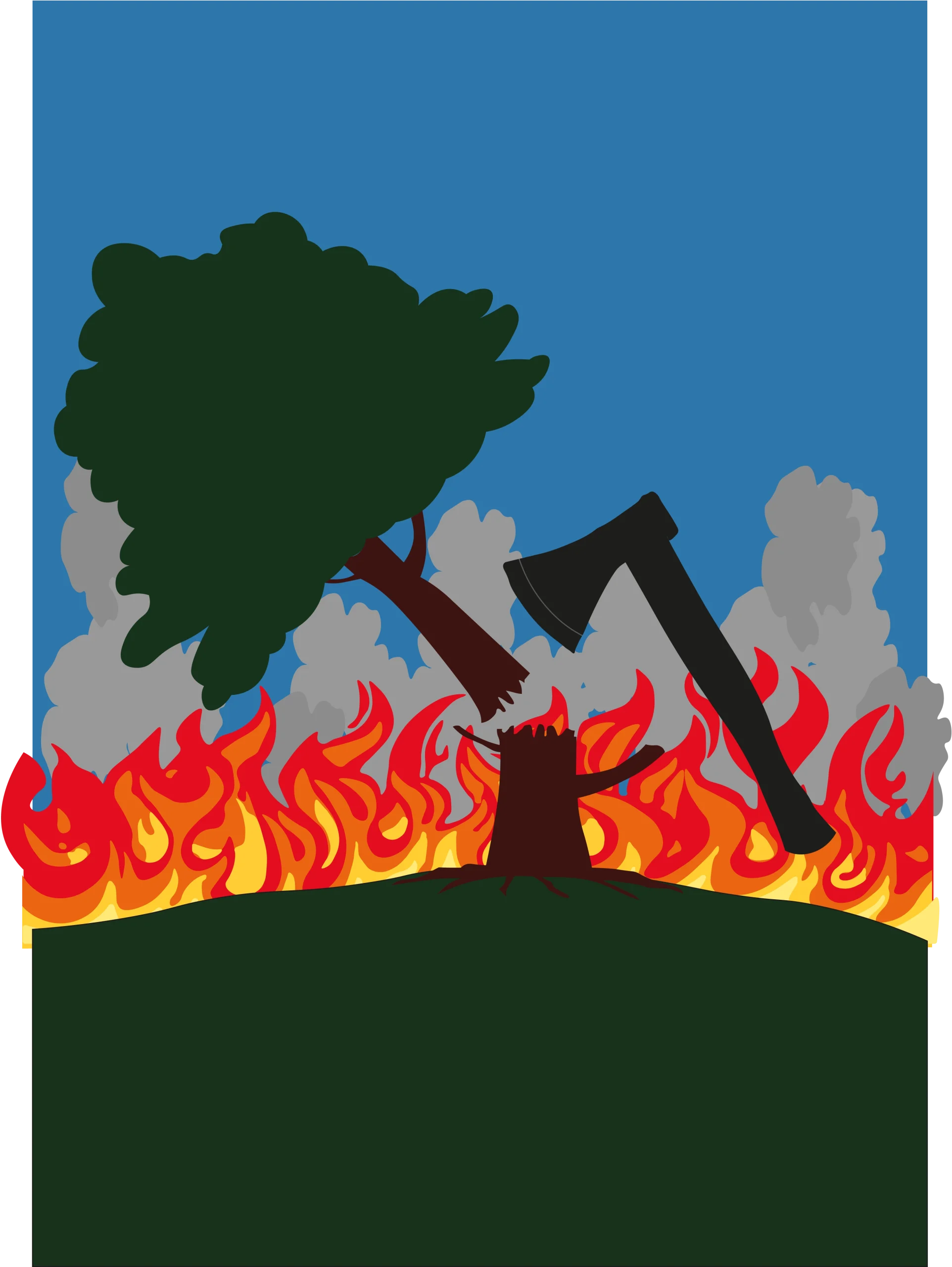
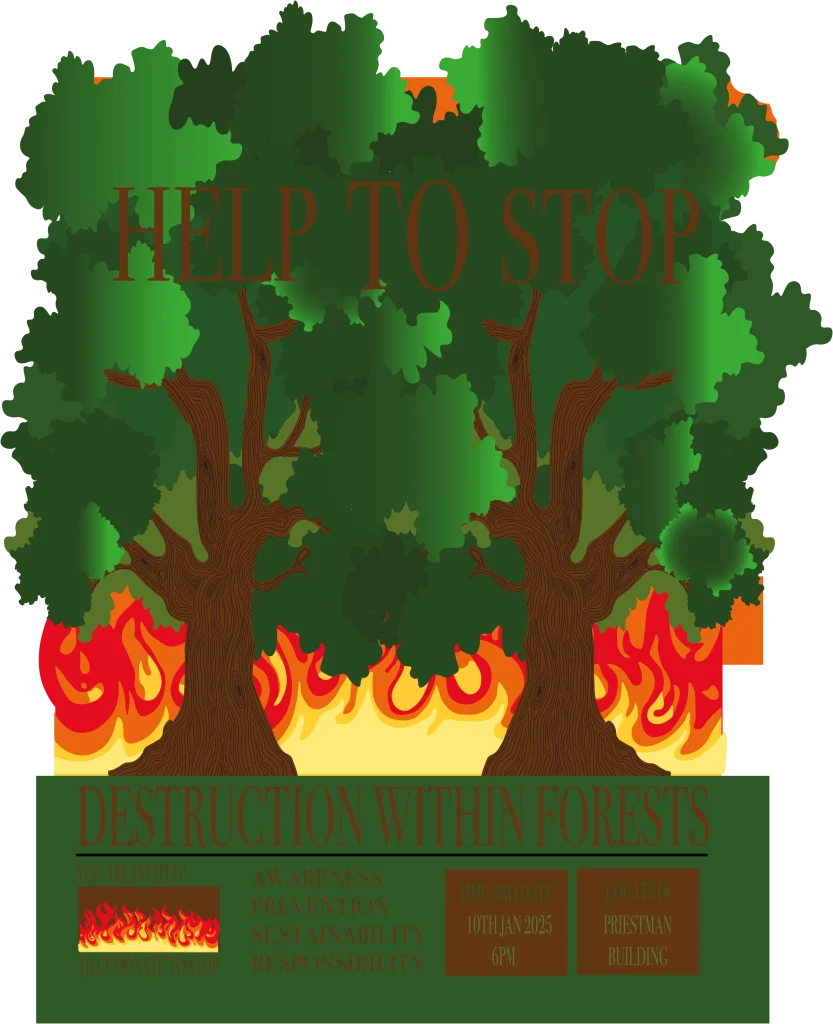
Fire destruction within deforestation is a destructive and self-perpetuating process that worsens environmental degradation, accelerates climate change, and threatens biodiversity. Deforestation creates the perfect conditions for fire to spread, and once fire takes hold, it causes further ecological harm, making it harder for the land to recover. Addressing this issue requires a multifaceted approach, including stricter land-use policies, fire prevention strategies, reforestation efforts, and global cooperation to reduce the drivers of deforestation and mitigate climate change.
The Environment

Smoke Pollution Is Bad For The Planet
Smoke pollution, also known as smog or particulate pollution, refers to the harmful effects of smoke that is released into the air, primarily from the burning of organic matter such as wood, fossil fuels, and agricultural residues. It can also result from wildfires, vehicle emissions, industrial activities, and household burning of materials like coal and biomass. Smoke pollution is a major environmental and health issue worldwide, especially in areas with frequent wildfires, urban air pollution, or agricultural burning.
The Experience
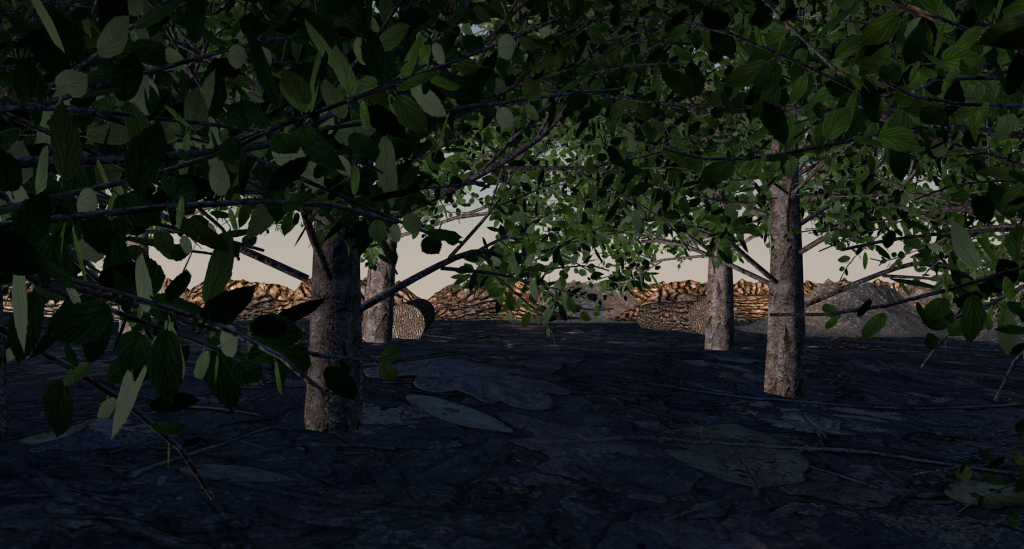
Research into deforestation is important not only for understanding the direct and indirect consequences of forest loss but also for developing solutions that promote sustainable land use, biodiversity conservation, and climate change mitigation. Given its multifaceted impact on the environment, society, and economy, deforestation research is central to addressing some of the most pressing challenges facing humanity today. Whether through scientific innovation, policy changes, or cultural advocacy, deforestation research can drive positive action for the future of the planet.
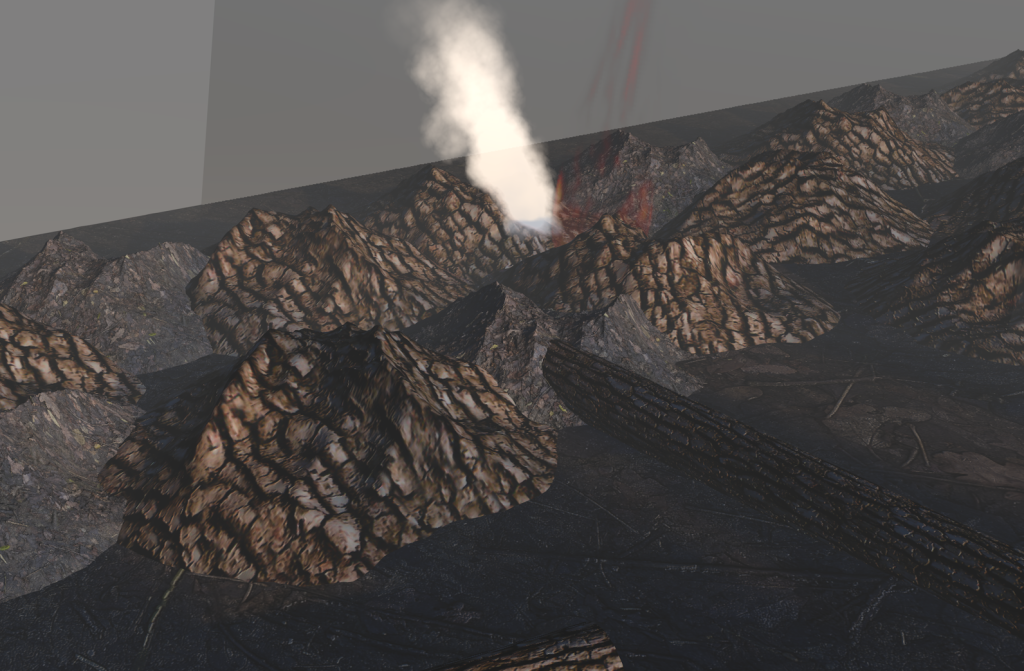
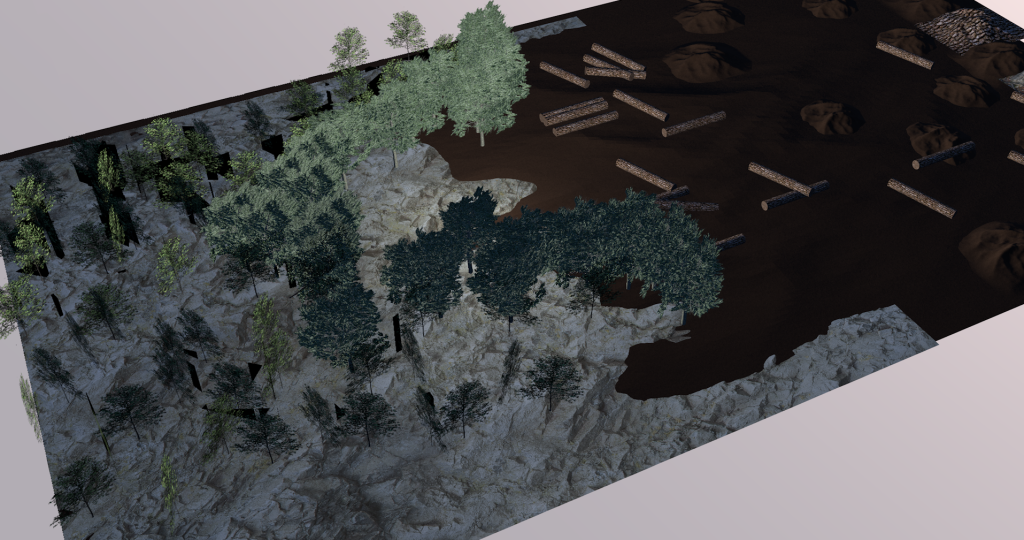
Burning land as part of deforestation has wide-ranging environmental, social, and economic impacts. While it provides immediate benefits in terms of land clearing for agriculture, these benefits are often short-lived, and the long-term consequences—such as biodiversity loss, soil degradation, carbon emissions, and health risks—are severe. Adopting sustainable agricultural practices, protecting forests, and promoting reforestation are essential for mitigating the harmful effects of slash-and-burn practices.
WWF works to conserve and protect forests, especially tropical rainforests, which are some of the most biodiverse ecosystems on the planet. They focus on key forest areas, such as the Amazon, the Congo Basin, and Southeast Asia, where deforestation rates are particularly high.
Help to donate to charities that need your help.